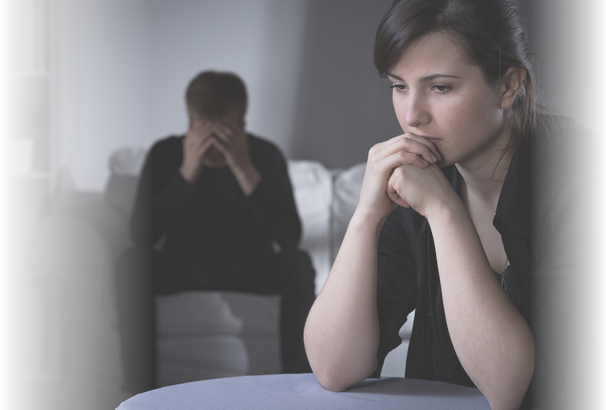
Domestic violence and domestic battery are often used interchangeably in everyday conversation.

Under California law, however, they are not the same charge.

Both can arise from an argument or physical incident involving spouses, dating partners, cohabitants, family members, or people who share a child. Both can lead to an arrest. Both can carry serious consequences.

The difference usually comes down to the facts of the incident, the relationship between the people involved, and whether there was an injury.

For someone who has been arrested, this distinction matters. It can affect how the case is charged, what penalties may apply, what defenses may be available, and whether the case may be resolved through a reduction or dismissal.

What counts as domestic violence in California?

When people refer to a domestic violence charge in California, they are often talking about Penal Code section 273.5, commonly known as corporal injury to a spouse or cohabitant.

This charge applies when someone willfully inflicts a corporal injury that results in a traumatic condition on a person covered by the statute.

That may include:

  • A spouse or former spouse
  • A cohabitant or former cohabitant
  • A current or former dating partner
  • A fiancé or former fiancé
  • Someone with whom the person has a child
  • Other protected domestic relationships under the law

A traumatic condition does not have to mean a severe injury. It can include a wound, external injury, internal injury, or other physical condition caused by force.

In practical terms, that means a visible injury such as a bruise, scratch, swelling, red mark, or other physical sign may be enough for police and prosecutors to consider a more serious domestic violence charge.

This is one reason these cases can move quickly. Officers responding to a domestic disturbance call are often looking for visible injuries, statements from the people involved, signs of fear, and evidence of what happened before they arrived.

What counts as domestic battery?

Domestic battery is different.

Domestic battery is commonly charged under Penal Code section 243(e)(1), which applies when a battery is committed against a person in a protected domestic relationship.

Battery itself is defined under Penal Code section 242 as the willful and unlawful use of force or violence upon another person.

The important distinction is that domestic battery does not require a visible injury.

That means a person can be charged with domestic battery even if there is no bruise, cut, swelling, or other visible mark. The allegation may involve a push, grab, slap, unwanted touch, or other physical contact.

The contact does not need to cause serious pain. It does not need to leave a mark. What matters is whether prosecutors believe unlawful force was used against someone covered by the domestic battery statute.

That is why people should not assume that “no injury” means “no case.”

The key difference between the two charges

The simplest way to understand the difference is this:

Domestic violence under Penal Code 273.5 generally involves an injury that results in a traumatic condition.

Domestic battery under Penal Code 243(e)(1) involves unlawful physical contact in a domestic relationship, but does not require an injury.

That difference can affect the entire case.

A domestic violence charge may be treated more seriously because prosecutors are alleging that an injury occurred. A domestic battery charge can still be serious, but depending on the facts, it may leave more room for negotiation or reduction.

In some cases, a defense attorney may seek to have a Penal Code 273.5 charge reduced to domestic battery. In other cases, it may be possible to seek a further reduction to a different offense, such as disturbing the peace under Penal Code 415.

No result is automatic. The outcome depends on the evidence, the injury, the police report, the alleged victim’s statement, witness statements, photographs, prior history, immigration concerns, and the strength of the defense.

Domestic violence vs. domestic battery comparison

Issue Domestic Violence Domestic Battery
Common Penal Code section Penal Code 273.5 Penal Code 243(e)(1)
Injury required Generally involves corporal injury resulting in a traumatic condition No visible injury required
Type of conduct Willfully causing injury to a protected person Willful and unlawful force or contact
Protected relationships Spouses, former spouses, cohabitants, dating partners, co-parents, and others covered by law Similar protected domestic relationships
Possible case strategy May be challenged or reduced depending on evidence May be challenged or negotiated depending on facts
Immigration concerns Can carry serious consequences for non-citizens Can also carry immigration concerns and must be reviewed carefully

This chart is only a general overview. The exact charge and consequences depend on the facts of the case.

How police decide who gets arrested

Domestic violence calls are often chaotic.

By the time police arrive, the incident may already be over. The people involved may be upset, emotional, or giving different accounts of what happened.

Officers are generally trained to identify the dominant aggressor. Under California Penal Code section 836, officers are directed to consider factors such as the intent of the law to protect victims, threats that created fear of injury, the history of domestic violence between the people involved, and whether either person acted in self-defense.

That does not mean the decision is always correct.

Sometimes the person arrested was acting in self-defense. Sometimes both people were involved. Sometimes an accusation is exaggerated. Sometimes the person who called 911 first is not the person who started the physical confrontation.

This is why a careful defense investigation matters.

The police report is important, but it is not the entire case. Text messages, photos, witness statements, medical records, body camera footage, prior history, and the timeline of events may all change how the case looks.

Why the distinction matters

The difference between domestic violence and domestic battery is not just a technical point.

It can affect several important parts of the case, including:

  • Potential penalties
  • Whether the charge may be reduced
  • Protective orders
  • Probation terms
  • Counseling requirements
  • Firearm restrictions
  • Employment or licensing concerns
  • Immigration consequences
  • Family court or custody issues

For non-citizens, the charge and final resolution can be especially important. Domestic violence-related convictions may create serious immigration consequences. Any plea should be reviewed carefully before it is entered.

Even when immigration is not an issue, the charge can still affect a person’s job, professional license, reputation, family situation, and future background checks.

That is why it is important to understand the difference early and respond carefully.

Common defenses in domestic violence and domestic battery cases

Every case depends on its own facts, but several defenses may apply in domestic violence and domestic battery cases.

These may include:

  • Self-defense
  • Defense of another person
  • Accident
  • False accusation
  • Exaggerated accusation
  • Lack of intent
  • Lack of injury
  • Injury caused by something else
  • Insufficient evidence

Self-defense is one of the most important issues in these cases. A person has the right to protect themselves if they reasonably believe they are about to be harmed.

The problem is that self-defense may not be obvious from the first police report. It often takes a closer review of the full situation to show what actually happened.

Also Read This: What Happens After a Domestic Violence Arrest in California?

False or exaggerated allegations

Domestic violence is a serious issue, and genuine victims need protection.

At the same time, false or exaggerated accusations do occur.

These situations can arise during breakups, divorces, custody disputes, housing conflicts, or highly emotional arguments. A claim may be made in anger, or a small incident may be described in a way that makes it sound much worse than it was.

A criminal case should be based on evidence.

If the accusation is false, incomplete, or exaggerated, the defense should look closely at the details. That may include reviewing text messages, prior statements, photos, witness accounts, family court filings, and any evidence that contradicts the accusation.

What to do after a domestic violence or domestic battery arrest

After an arrest, the most important thing is to avoid making the situation worse.

Do not contact the alleged victim if there is any protective order in place. Do not post about the case online. Do not try to explain the situation through text messages. Do not pressure anyone to change their story.

Instead, speak with a defense attorney as soon as possible.

Early action may allow an attorney to gather evidence, contact witnesses, review the police report, request body camera footage, and present information that may help before charges are filed or before key decisions are made in court.

The sooner the defense starts, the more options may be available.

Domestic Violence

Speak with a San Jose domestic violence attorney

Domestic violence and domestic battery charges can affect far more than the immediate court case. They can affect your record, your family, your work, your immigration status, and your future.

Edward N. Ajlouny, Attorney at Law represents clients facing domestic violence and domestic battery charges in San Jose, Santa Clara County, and the surrounding area. With more than 20 years of criminal law experience, including experience working in the District Attorney’s office, he understands how these cases are investigated, charged, and defended.

If you have been arrested or charged, call 408-234-5562 for a free consultation or email Eddie4689@icloud.com.

The earlier you speak with an attorney, the better positioned you may be to protect your options.

Disclaimer: This article is for general informational purposes only and is not legal advice. Every case depends on its own facts. Speak with a criminal defense attorney about your specific situation.

A domestic violence accusation can change everything very quickly.

One argument gets too loud. A neighbor calls 911. Someone makes an accusation during a breakup, divorce, or custody dispute. Police arrive, ask a few questions, and before you know it, you are the one being taken away.

That can happen even when the situation is more complicated than it looks.

In California domestic violence cases, police are often trying to identify who they believe was the primary aggressor. They are not holding a full trial in the living room. They are making a fast decision based on what they see, what they hear, and what they think happened in that moment.

The rest gets sorted out later.

That is why the first few days after an arrest matter so much. What you say, who you contact, what evidence you save, and how quickly you get legal help can all affect what happens next.

Why a domestic violence arrest can happen even when the story is disputed

California takes domestic violence cases seriously. That is understandable. But it also means arrests can happen quickly, even when the facts are unclear.

A small mark, scratch, or bruise may lead to a charge involving corporal injury. Physical contact without a visible injury may still lead to a domestic battery charge. A threat made during an argument may become its own criminal charge if prosecutors believe it meets the legal standard.

That does not mean the accusation is true. It means the case needs to be handled carefully from the beginning.

False or exaggerated accusations can come up in many situations, especially when there is already conflict around a breakup, divorce, custody, property, or finances. Sometimes one person gives a one-sided version of events. Sometimes important context is missing from the police report. Sometimes the person arrested was actually trying to leave, defend themselves, or calm the situation down.

The point is simple: an arrest is not the same thing as a conviction.

But it is still serious.

What to do right away

After a domestic violence arrest, the natural instinct is to explain yourself to everyone.

That is usually a mistake.

You may want to call the other person, send a text, post your side online, or tell the police exactly why the accusation is false. But those reactions can make the case worse.

The safer move is to slow down and protect yourself.

1.Do not discuss the case with police

You should provide basic identifying information, but you should not try to talk your way out of the case.

Even if you are completely innocent, statements can be misunderstood, taken out of context, or used against you later. What feels like an explanation in the moment may become part of the prosecution’s case.

Ask for an attorney before answering questions about what happened.

2.Do not contact the accuser

Do not call. Do not text. Do not email. Do not send messages through a friend. Do not comment on social media.

This is especially important if there is any kind of protective order in place.

In domestic violence cases, a court may issue an order restricting contact. Violating that order can lead to a new criminal charge, even if the other person contacts you first or says they want to talk.

Before you communicate with anyone involved, make sure you understand exactly what the court has ordered.

3.Write down what happened while it is fresh

Memory fades quickly, especially after something stressful.

As soon as you can, write down everything you remember:

  • Where the incident happened
  • What time it started
  • What was said
  • Who was present
  • Whether anyone had been drinking or using drugs
  • Whether anyone else saw or heard anything
  • What happened before police arrived
  • What you told police
  • What the other person told police, if you know

Do not exaggerate. Do not guess. Just write down what you remember as clearly as possible.

Your attorney can decide what is useful later.

4.Save texts, photos, videos, and other evidence

Evidence can disappear fast.

Save anything that may help show what really happened, including:

  • Text messages
  • Voicemails
  • Emails
  • Social media messages
  • Photos of injuries
  • Photos of the scene
  • Ring camera or security footage
  • 911 call information
  • Witness names and contact information

If you have injuries, photograph them. If property was damaged, photograph it. If there are messages showing threats, contradictions, or motive, save them.

Do not edit anything. Do not delete anything. Preserve it as it is.

5.Identify witnesses early

Witnesses matter, especially in cases where the police report only tells one side of the story.

A witness may have seen the argument, heard the other person yelling, watched someone leave the home, or seen injuries that support your side.

Neighbors, friends, family members, coworkers, roommates, or bystanders may all be important.

Write down their names and contact information. Your attorney can decide whether and how to reach out.

What not to do

Some mistakes can make a defensible case much harder.

  • Do not assume the truth will automatically come out on its own. It may not.
  • Do not post anything about the case online. Prosecutors, investigators, and opposing attorneys can find it.
  • Do not ignore a restraining order just because the other person wants to talk.
  • Do not miss a court date.

Do not assume the case will disappear because the alleged victim does not want to “press charges.” In California, the prosecutor controls whether charges move forward once the case is in the system.

And do not wait too long to speak with an attorney.

How a Defense Is Built

A strong defense depends on the facts.

In some cases, the issue is self-defense. In others, the police misunderstood who the primary aggressor was. Sometimes the accusation is exaggerated. Sometimes the statements made by the accuser do not match the 911 call, medical records, text messages, or later testimony.

Possible defense issues may include:

  • Self-defense
  • Defense of another person
  • False or exaggerated accusations
  • Inconsistent statements
  • Lack of injury
  • Lack of intent
  • Motive related to divorce or custody
  • Problems with the arrest
  • Evidence that was obtained improperly

The goal is not just to react to the police report. The goal is to look at the full picture.

That means reviewing the facts, gathering evidence, finding witnesses, and identifying weaknesses in the prosecution’s case.

Why Timing Matters

The days after an arrest are important.

Evidence is still fresh. Witnesses are easier to locate. Text messages, photos, and videos are easier to preserve. In some situations, a defense attorney may also be able to communicate with the prosecutor before major charging decisions are made.

Waiting can make the case harder.

That does not mean every case can be dismissed right away. No honest attorney can promise that. But acting quickly gives the defense more room to work.

Falsely Accused of Domestic Violence

A Short Word from Attorney Edward N. Ajlouny

If you were falsely accused of domestic violence in San Jose or Santa Clara County, you should not wait to see how things play out on their own.

Attorney Edward N. Ajlouny has more than 30 years of criminal defense experience in California and has handled hundreds of domestic violence cases, including cases involving false or exaggerated allegations. Before entering private practice, he worked inside the District Attorney’s office, which gives him a practical understanding of how these cases are built and where they can be challenged.

A domestic violence accusation is serious, but it is not the end of the story. The right response early on can make a real difference. To speak directly with Attorney Edward N. Ajlouny, call 408-234-5562 for a free consultation.

Disclaimer: This article is for general informational purposes only and does not constitute legal advice. Contact the office directly to discuss the details of your specific situation.

A domestic violence arrest in California can move very quickly.

One moment there is an argument or conflict at home. The next, police are involved, someone is arrested, and the case is suddenly in the hands of the criminal court system.

For the person accused, this can be frightening and confusing. It can also carry serious consequences, including jail time, restraining orders, immigration issues, custody concerns, and a permanent criminal record.

This guide explains what usually happens after a domestic violence arrest in California, especially for people facing charges in San Jose or Santa Clara County.

Step 1:The arrest

When police respond to a domestic violence call, they are usually trying to determine who they believe was the “primary aggressor.” In other words, they are deciding who they think caused or started the physical part of the incident.

Once officers make that decision, an arrest often follows.

This can surprise people because the alleged victim does not get to simply “drop it” at the scene. Even if both people say they do not want anyone arrested, police may still take someone into custody if they believe a crime occurred.

Another thing many people do not realize is that a domestic violence arrest does not always involve a serious injury. In some cases, minor physical contact, a red mark, a scratch, or a disputed account of what happened can be enough for an arrest.

Both men and women can be accused of domestic violence, although men are still arrested more often in these cases.

Step 2:Understanding the charge

After an arrest, the specific charge depends on the facts of the case, the police report, any visible injuries, witness statements, and what prosecutors believe they can prove.

Common domestic violence-related charges in California include:

Penal Code 273.5: Corporal injury to a spouse, cohabitant, or dating partner, usually involving a visible injury

Penal Code 243(e)(1): Domestic battery, which can be charged even when there is no visible injury

Penal Code 422: Criminal threats

Penal Code 236 or 237: False imprisonment

Restraining order violations: Charges related to alleged contact after a protective order is issued

The exact charge matters. It affects possible penalties, immigration consequences, restraining order issues, and the overall defense strategy.

This is one of the reasons it is important to speak with an attorney early, before assumptions are made about where the case is headed.

Step 3:Booking, bail, and protective orders

After the arrest, the accused person is usually taken to jail for booking. This process may include fingerprints, photographs, paperwork, and a bail determination.

In some cases, the person may be released after posting bail or after appearing before a judge.

Domestic violence cases also commonly involve some type of protective order. This may be an emergency protective order issued shortly after the arrest or a criminal protective order issued by the court.

These orders can place strict limits on contact with the alleged victim. In some cases, the accused may be ordered to stay away from the home, even if they live there. The order may also prohibit calls, texts, emails, social media contact, or contact through another person.

This part is very important: violating a protective order can create a new criminal charge, even if the alleged victim reaches out first or both people want to communicate.

Before contacting anyone involved in the case, make sure you understand exactly what the order says.

Step 4:The first court hearing

The first major court hearing is usually the arraignment.

At the arraignment, the accused person is formally told what charges have been filed. A plea is entered, and the judge may address bail, release conditions, and protective orders.

For cases in San Jose and the surrounding area, this process usually takes place through the Santa Clara County court system.

After the arraignment, the case may move into pretrial hearings. During this stage, the defense attorney can review the evidence, look for weaknesses in the prosecution’s case, negotiate with the prosecutor, and file motions when appropriate.

Many cases are resolved before trial. Others continue forward if an agreement cannot be reached.

Step 5:Building the defense

A domestic violence arrest does not automatically mean a conviction.

These cases are often more complicated than the first police report makes them seem. There may be conflicting stories, missing context, self-defense issues, exaggerated claims, or evidence that supports the accused person’s side of what happened.

Common defense issues may include:

  • Self-defense
  • Defense of another person
  • Lack of visible injury
  • False or exaggerated accusations
  • Inconsistent witness statements
  • Insufficient evidence
  • Problems with how the arrest was handled
  • Evidence that was obtained improperly
  • Claims made during a divorce, breakup, or custody dispute

A strong defense starts with reviewing the full situation, not just the version written in the police report.

That may mean gathering text messages, photos, videos, witness information, medical records, 911 recordings, and other evidence that helps show what really happened.

Can domestic violence charges be reduced or dismissed?

In some cases, yes.

Depending on the facts, the evidence, the person’s history, and the work done by the defense attorney, charges may be reduced or dismissed. For example, a more serious charge may sometimes be reduced to a lesser offense.

This can matter a great deal, especially for people who are not U.S. citizens. Certain domestic violence convictions may create immigration problems, including deportation or difficulty re-entering the country.

In some cases, a reduction from one charge to another can make a major difference. In other cases, the goal may be to push for dismissal entirely.

No attorney can honestly guarantee a result. But early action can give the defense more time to gather evidence, contact witnesses, and work toward the best possible outcome.

Why timing matters

After an arrest, it is easy to feel frozen.

But waiting too long can make the case harder to defend. Evidence can disappear. Witnesses can become harder to reach. Text messages, photos, and other important details may get lost.

The prosecution is also building its case during this time.

Speaking with a San Jose domestic violence attorney early gives the defense a better chance to get organized, understand the charges, and begin protecting the accused person’s rights from the start.

How Attorney Edward N. Ajlouny can help

Attorney Edward N. Ajlouny is a California criminal defense attorney serving San Jose and Santa Clara County. He has more than 30 years of trial experience and has handled hundreds of domestic violence cases, including cases involving domestic battery, criminal threats, restraining order violations, and spousal abuse allegations.

Before entering private practice, he worked inside the District Attorney’s office on the Legal Research Team and the Three Strikes Team. That experience gives him insight into how prosecutors evaluate cases and where a defense strategy may be able to challenge the evidence.

Attorney Ajlouny is also a former United States Marine. His approach is direct, disciplined, and focused on protecting the client’s future.

When you hire his office, you work directly with him, not a junior associate or paralegal.

Domestic Violence

Frequently Asked Questions

Can the alleged victim drop the charges?

Not directly. In California, the decision to file or dismiss charges belongs to the prosecutor, not the alleged victim. However, the alleged victim’s position may still affect how the prosecutor views the case.

What if both people were involved in the argument or fight?

Police may still arrest the person they identify as the primary aggressor. A defense attorney can look at the full situation and argue that the police report does not tell the whole story.

How long does a domestic violence case take?

It depends on the charge, the evidence, and whether the case is resolved through negotiation or moves toward trial. Some misdemeanor cases are resolved within a few months. Felony cases can take longer.

Can a domestic violence conviction affect immigration status?

Yes. Certain domestic violence convictions can create serious immigration consequences for non-citizens. Anyone with immigration concerns should speak with a criminal defense attorney as soon as possible.

How soon should I contact an attorney?

As soon as possible. Early legal help gives your attorney more time to review the evidence, speak with witnesses, address protective order issues, and begin building a defense.

Final thoughts

A domestic violence arrest in California is serious, but it does not mean the case is over.

There may be defenses available. There may be evidence that supports your side. There may be opportunities to reduce or dismiss the charges. But those opportunities are much easier to pursue when you act quickly.

If you were arrested for domestic violence in San Jose or Santa Clara County, speak with an experienced defense attorney before making decisions that could affect your future.

To speak directly with Attorney Edward N. Ajlouny, call 408-234-5562.

Disclaimer: This article is for general informational purposes only and does not constitute legal advice. Contact the office directly to discuss the details of your specific situation.